
The Gear Outlives the Trip. That's the Point.
A new generation of hikers is measuring outdoor gear not by the season it was bought, but by the decade it survives. The math, it turns out, favors buying less.
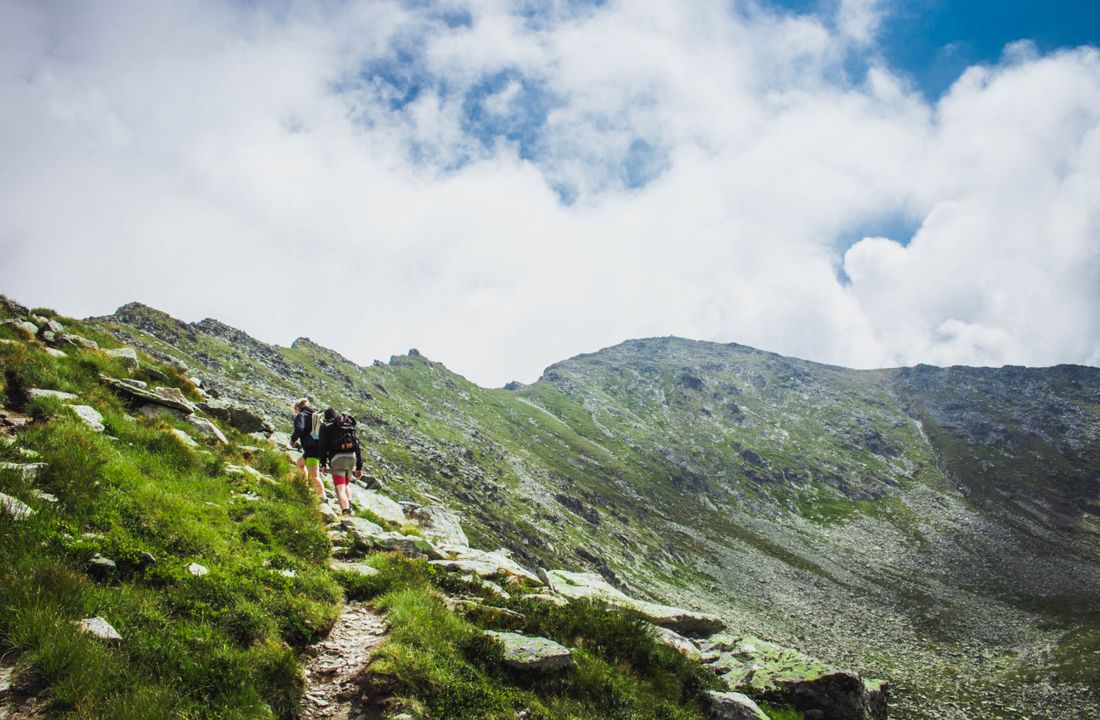
There is a quiet shift happening on the trailheads. Ask a hiker about a favorite jacket and you increasingly hear a number measured in years, not dollars. The shell that has been re-waterproofed twice. The pack with a replaced hip belt. Gear, it turns out, is starting to be judged the way a good tool always has been: by how long it keeps working.
That shift has consequences for how the outdoor industry talks to its customers. For a decade, the conversation was about lighter, warmer, faster. The new conversation is quieter and harder to market: what happens to a piece after the receipt is gone.
It is a deceptively simple idea, and a commercially inconvenient one. A product built to last a decade is a product the buyer does not need to repurchase for a decade. Few categories are willing to organize themselves around selling a customer less.
 Sponsored
The economics are not as lopsided as they first appear. Spread across its lifespan, a single durable shell often costs less per season than the cheaper one replaced every other year — before counting the landfill it never reaches. Repairability turns a purchase into something closer to ownership.
None of this is a hard sell on the trail. The hikers leading the shift are not motivated by slogans; they are motivated by the simple satisfaction of gear that holds up. The brands paying attention are the ones learning to sell that feeling instead of next season's color.